CinemaSerf
January 23, 2023
6
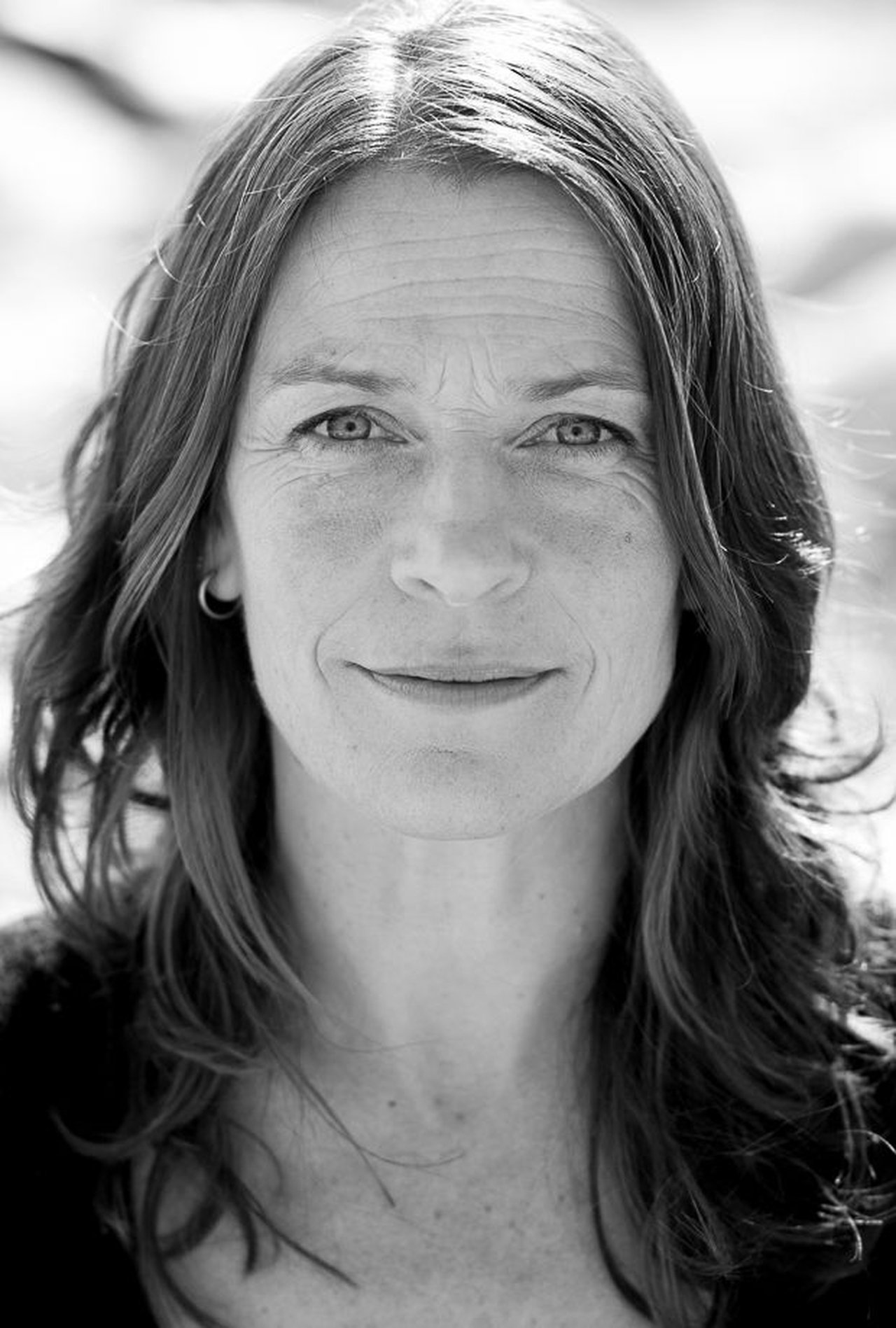
This is an almost entirely single-handed, dialogue free, story of a woman who is taking (very basic) climate and wildlife data on an otherwise uninhabited island off the Cornish Coast. Clearly this has been a mining island in days gone by, with ruins and mine-workings strewn around the place and those exude a sort of creepiness that is only augmented by the constant wind and the sound of the waves crashing against the rocks. Her days are routine, to say the least, but gradually we start to realise that the island has been touched by tragedy - as has the woman (Mary Woodvine) herself. Auteur Mark Jenkin doesn't rush with this, but rather takes his time to slowly but surely allow us to put together some of the pieces of just what drew this woman to this isolated and lonely spot. It's that repetitive pacelessness that I struggled with. We see the same shots over and over again, the same procedures and scenarios and though there is a very incremental development of the plot, the whole thing just doesn't really move. It has the hallmarks of an original "Poldark" episode married with the "Dr. Who - Stones of Blood" series from 1978. To be fair, it has a very authentic 1973 feel to it, and the audio mixing coupled with some sparingly used visual effects do help create a very slight air of mystery and tragedy, but I found it all just a bit lacking. Worth a watch though, but I'm not sure I will watch it again.
There is something increasingly funny about the Volunteer repeatedly writing **“NO CHANGE”** in her notebook, because *Enys Men* is a film in which almost nothing will agree to stay where it has been put.
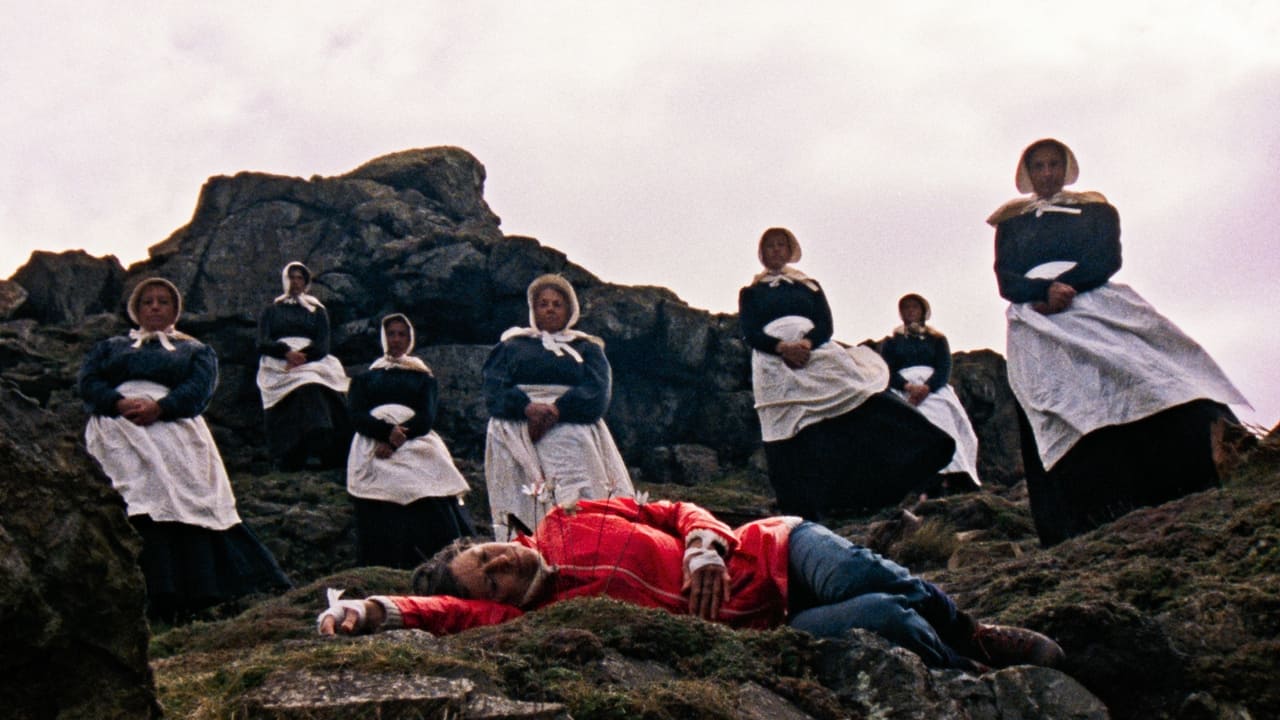
A woman in a red coat observes seven flowers on a remote Cornish island. She checks them, makes tea, drops a stone down a mine shaft, struggles with the generator and does it all again. Initially these repetitions establish routine. Then Mark Jenkin starts altering the things around them. People appear who may belong to different times. A scar acquires lichen. Miners emerge from below ground. A standing stone begins to feel less like scenery than something patiently keeping watch.
The temptation is to solve all this, but *Enys Men* becomes more interesting if the island is allowed to remain slightly insoluble. Its people may be ghosts, memories, fragments of the Volunteer herself or simply different moments in the same place occupying the screen at once. What connects them is the land.
That is where the film's folk horror really lives. There is no secret village committee organising a sacrifice. The older force is Cornwall itself: stone, sea, mines, wrecks, religion, labour and death accumulating until human time starts looking rather temporary. The Volunteer is studying the flowers, yet gradually the unsettling possibility emerges that she is simply another organism being absorbed into the same landscape.
Jenkin's grainy 16mm images and deliberately fractured sound matter because they make that instability physical. The film doesn't merely tell us that time is slipping. It looks and sounds as though the film itself has been damaged by whatever is happening on the island. Repetition stops reassuring us because tiny differences become suspicious.
It is also demanding. There is very little conventional narrative propulsion, and anyone waiting for the lichen to reveal its evil masterplan is going to have a long afternoon. Even for us, admiration for the film's craft comes rather more easily than surrendering completely to its spell.
But *Enys Men* rewards being worried at. It is strange, beautiful and stubbornly uninterested in explaining itself, a folk-horror film in which the landscape does not contain the history.
The landscape **is** the history.
---
Reviewed by FolknHell, the folk horror film podcast folknhell com
Hear the full FolknHell podcast discussion of Enys Men: folknhell com/enys-men-review
Along with our other reviews, transcripts and episodes at: folknhell com