.
A strange, cyclical, grief-stricken Scandi loop-nightmare of a film.
Packed with silliness from the outset, the levity hides a much darker film. With Koko-di Koko-da, there’s something serious under the surface. Koko-di Koko-da hits a nerve—not through gore or shocks, but through the way it portrays grief as relentless, looping, and oddly theatrical.
Like the nursery rhyme from which the film takes its name, this low-budget Nordic chiller lingers long after the final curtain.
Andy Davidson, Folk 'n' Hell podcast
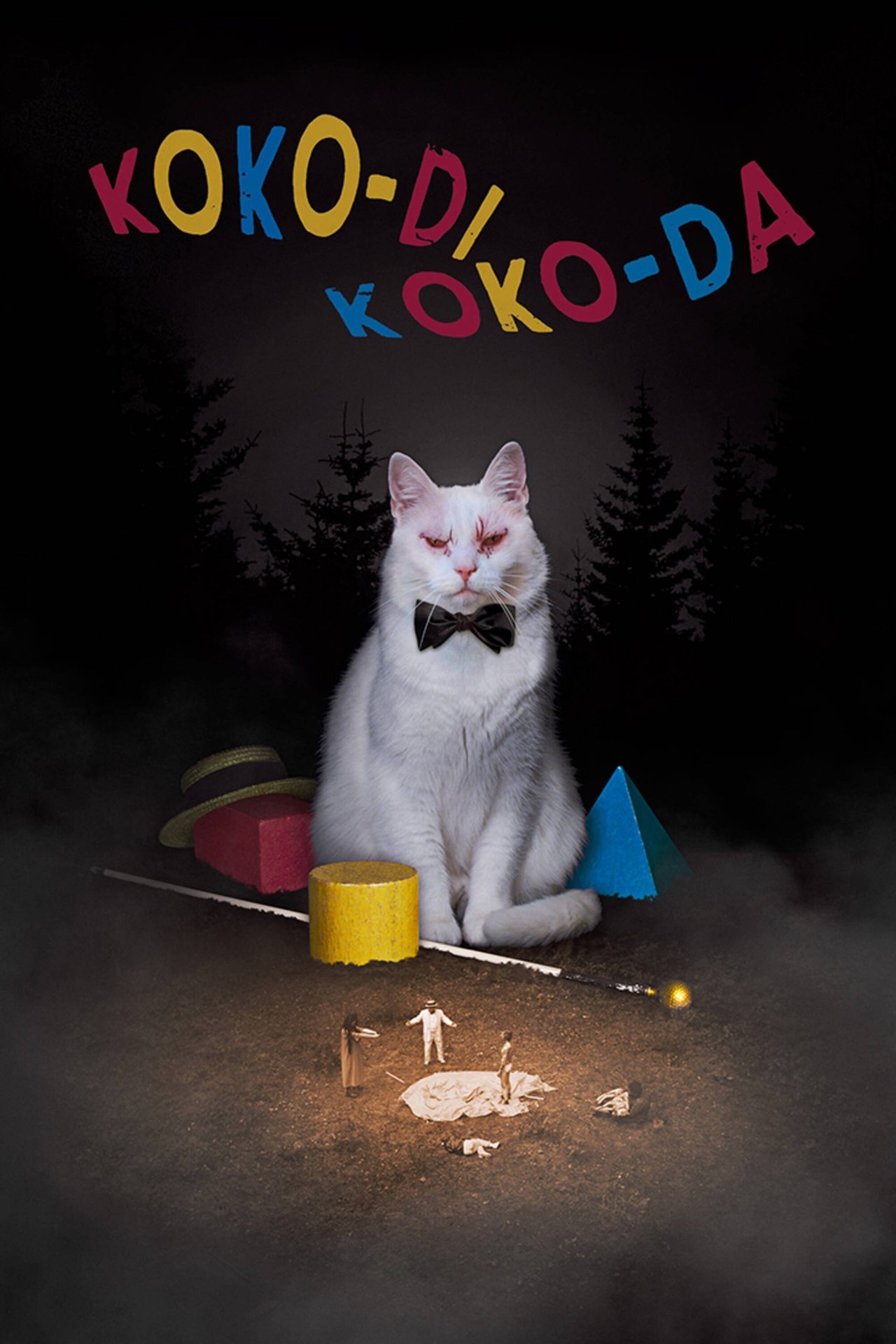
*Koko-di Koko-da* turns grief into a folktale and then traps its characters inside it.
Three years after the sudden death of their daughter, Tobias and Elin head into the woods and find themselves caught in a repeating nightmare. The same grotesque trio appear. The same violence follows. Tobias gradually realises something is repeating and gets a little further each time, usually by running for the car in his pants while leaving Elin behind. It would be funny if the whole thing were not so relentlessly bleak.
The tormentors are the film's best idea. A white-suited ringmaster, a wild-haired woman and a hulking figure carrying a dead dog first appear on the music box bought for the couple's daughter. They feel less like conventional horror villains than figures from a particularly vindictive children's story, closer to *Struwwelpeter* than woodland demons. They arrive with the horrible certainty of characters whose rules were established long before the adults wandered into their tale.
Nyholm quietly reinforces the absence at the centre of the film. Car scenes are often framed from behind the couple, leaving us sitting in the missing back seat rather than properly alongside them. Tobias and Elin are still together, but there is a space between them that the film keeps finding ways to make visible.
Then comes its strangest emotional turn. The cycle does not shift because they finally discover the correct escape route. It shifts around the death of the dog. They have been unable to process the loss that destroyed their family, yet this smaller, immediate grief becomes something they can finally experience together. It is perceptive, slightly absurd and oddly moving at the same time.
Is it folk horror? Only if we allow the landscape to be psychological. There is no ancient community or inherited rural legend, and the nursery rhyme itself is invented. But isolation, ritual, repetition and folklore are being used to turn grief into a place the couple cannot leave. The woods may not remember anything. Tobias and Elin have brought the haunting with them.
That makes *Koko-di Koko-da* disturbing rather than conventionally frightening, and far more interested in emotional repetition than escalation. Its poisoned music-box logic is difficult to shake. Which is rather the point.
---
Reviewed by FolknHell, the folk horror film podcast · folknhell com
Hear the full FolknHell podcast discussion of Koko-di Koko-da: folknhell com/koko-di-koko-da-review
Along with our other reviews, transcripts and episodes at: folknhell com