CinemaSerf
August 30, 2026
7
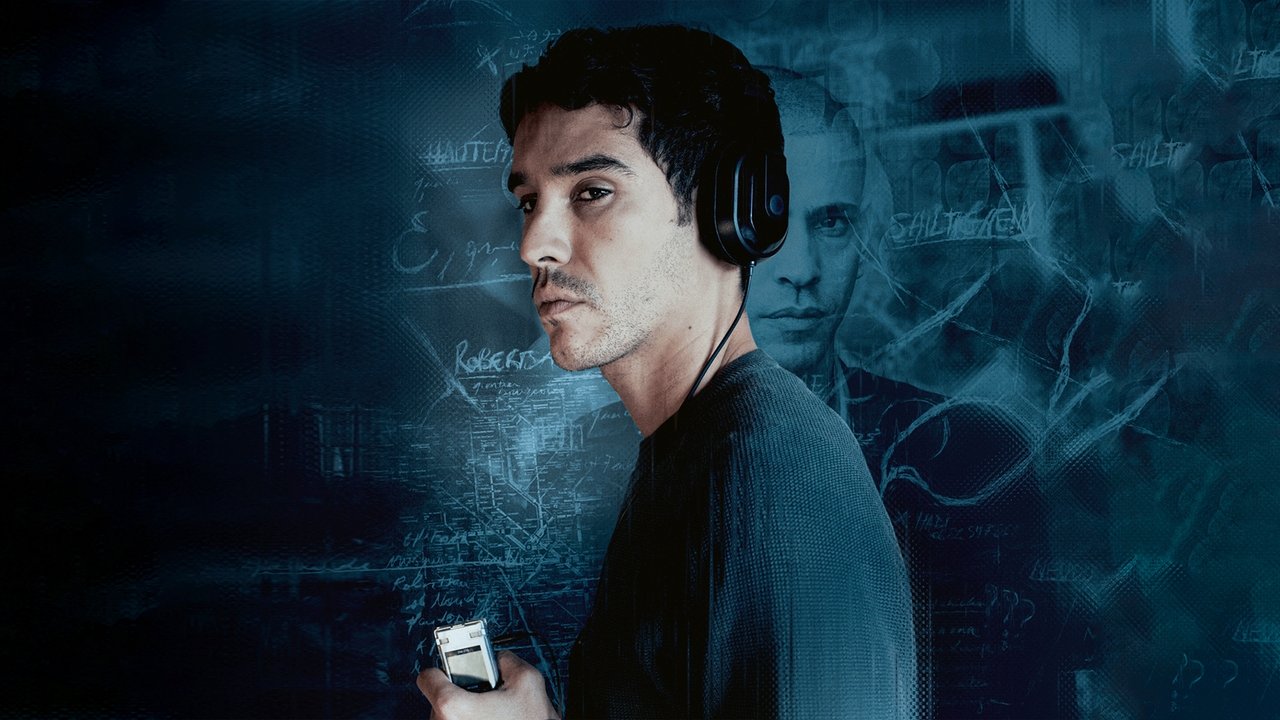
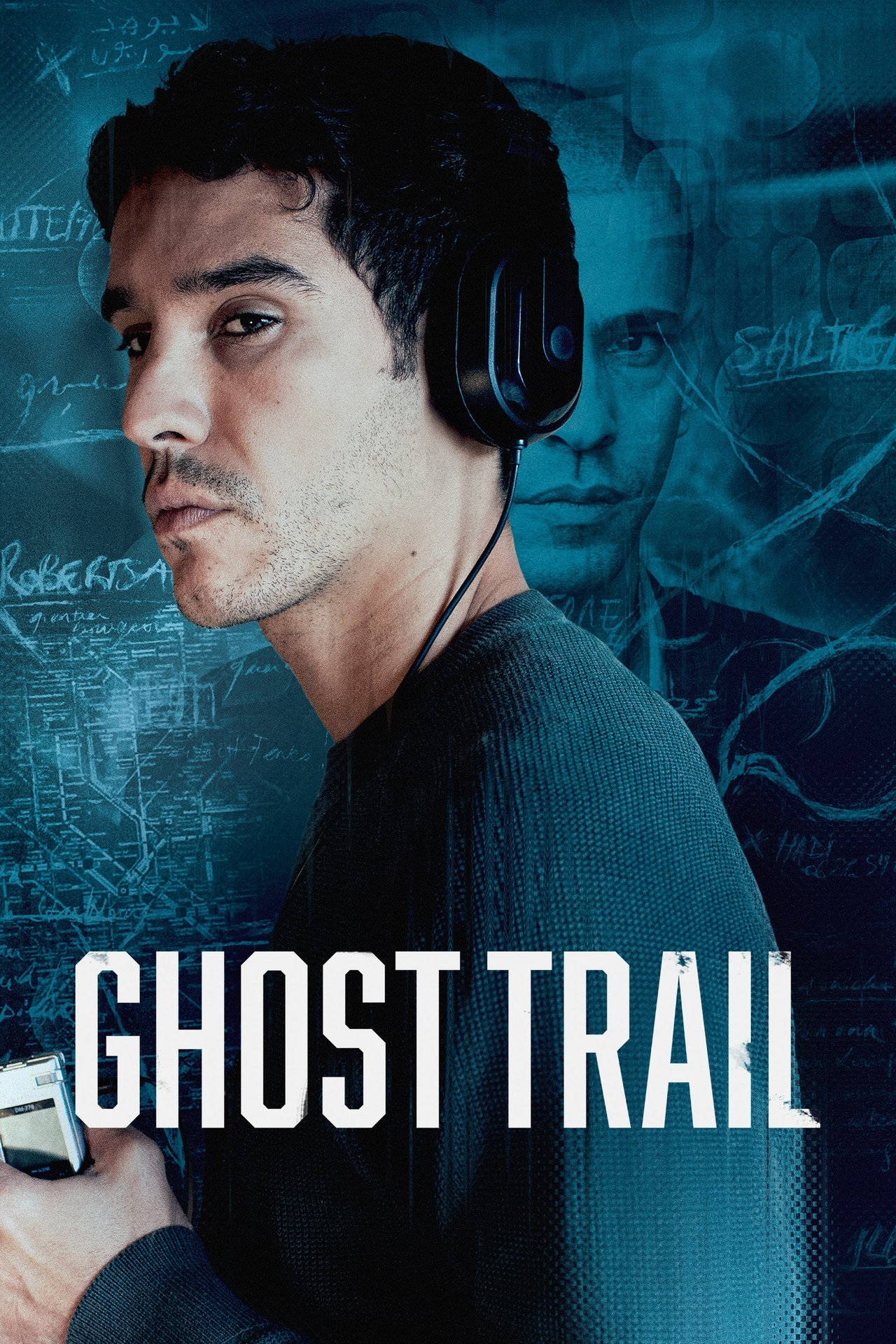
Fuelled by some fairly harrowing audio recordings from a victim of the atrocities of the recently deposed al-Assad regime in Syria, "Hamid" (Adam Bassa) has moved to Strasbourg on the trail of a main suspected of being a gruesome torturer. The problem for our investigator - himself a victim of brutality which he goes to some lengths to conceal - is that he isn't at all sure that "Harfaz" (Tawfeek Barhom) is, indeed, the man involved. There is very limited photographic evidence of or detail on the man's identity, and "Hamid" himself is by profession a professor of literature and so isn't exactly qualified to deal with much of the concomitant trauma and stress that comes with this work. He is part of an unoffical network of "agents" and is working on this case with the far more assertive "Nina" (Julia Franz Richter) and as his work begins to see him associate more with the man who may, or may not, be his quarry "Hamid" begins to ask himself more questions about his purpose and own humanity as matters tread on the eggshells of revenge versus justice. All of this is being set against a scenario populated by numerous displaced people from that conflict trying to make a new life from makeshift accommodation and suspicious of anyone connected with their home country - for fear they may be informers. Both Bassa and Barhom deliver something powerfully understated here, there is always a genuine question in our minds as to the potential complicity of the latter character and that tension is well sustained by Jonathan Millet throughout this thoughtfully considered drama. This is told from the perspective of people who have skin in the game; they have family history of suffering that extends well beyond the borders of Syria and it shows us something of the minefield being navigated on a day-to-day basis by people balancing their grief with their anger.